
UK-Exclusive Perfumes You Can’t Buy Anywhere Else (And How to Get Them Shipped)
You know the feeling if you’ve ever fallen down a fragrance rabbit hole online: you find the perfect scent, click “buy”, and then you see the words no perfume lover wants to see – “This item ships to UK addresses only.”
You’d be surprised how often this happens. Britain has some of the world’s most revered perfume houses, but much of their best work never leaves UK shores. Limited boutique exclusives, small-batch niche releases and heritage scents that are only available in-store in London can be almost impossible to come by if you live outside of the UK. On fragrance forums and Reddit threads, you’ll see the same story over and over: a visitor in London samples a scent, falls in love, and then gets home to find there’s no way to order it from overseas.
It’s a strange kind of gatekeeping, because it’s not usually deliberate. The vast majority of these brands would love to sell to an international customer — they just haven’t built the infrastructure to ship a flammable liquid across borders, and very few small perfume houses want to become logistics experts on top of running a business.
The good news is that “UK only” doesn’t have to mean “out of reach.” Below are some fragrances that are worth tracking down, why they are so difficult to obtain, and how to get them delivered to your door.
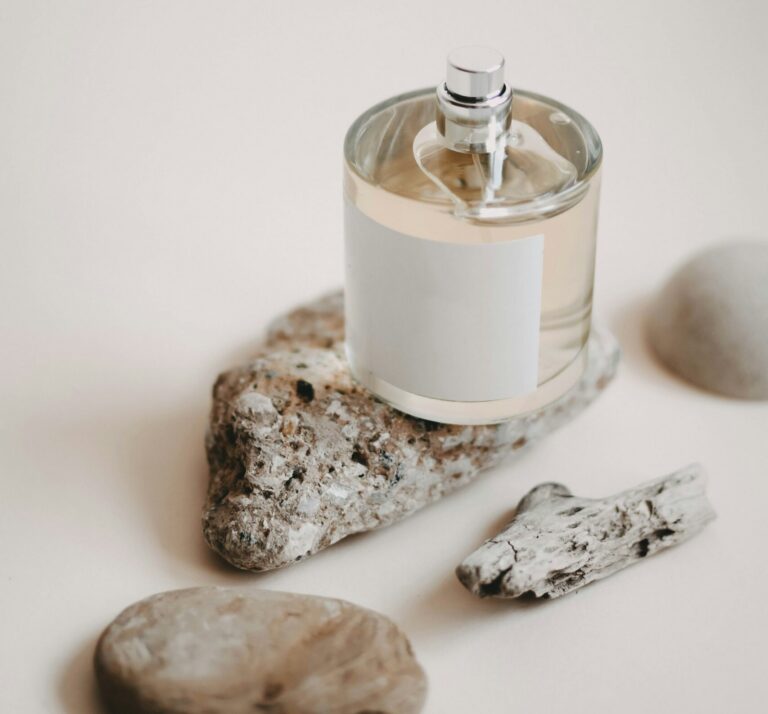
Why So Many Great Perfumes Never Leave the UK
A few reasons for this are as follows:
- Small, independent perfumers often sell only through their own boutique or a handful of UK stockists, with no international shipping set up at all.
- Department store exclusives — think Harrods, Selfridges, and Liberty London — regularly stock limited editions or house-only scents that never get an international listing.
- Heritage brands with royal warrants and centuries of history sometimes keep certain scents as in-store-only experiences, partly because the appeal is that you have to visit to get them.
- Shipping restrictions apply to perfume itself. Perfume is classified as a dangerous good because of its alcohol content, so many retailers simply choose not to deal with the customs paperwork and courier restrictions involved in sending it abroad. It’s not that they don’t want your business — it’s that most shops aren’t set up for the hassle of dangerous goods shipping.
- Small production runs. A lot of these houses hand-blend in genuinely small batches. When you’re making a few hundred bottles at a time, setting up international freight accounts and hazmat-compliant packaging for occasional overseas orders often isn’t worth the overhead.
That last point is the real bottleneck. It’s less about brands guarding their scents and more about logistics. A tiny Marylebone atelier that blends by hand simply isn’t going to have the same shipping setup as a global cosmetics conglomerate — and that’s exactly why so many genuinely excellent scents stay quietly local.
A Few UK Houses Worth Knowing
Some names to keep an eye on if you’re building a fragrance wishlist:
- Floris London — Perfumers to the British royal family since the 1730s, with a Jermyn Street shop that still hand-blends scents, some of which are far easier to find in-store than online.
- Penhaligon’s — Known for its Victorian-inspired scents and quirky bottle designs, with certain releases and gift sets that are only available in UK boutiques.
- Ormonde Jayne — A Mayfair-based niche house whose more experimental blends are much easier to track down in London than anywhere else.
- Miller Harris — French-trained, London-based, with small releases that don’t always make it onto international retail sites.
- Perfumer H — Lyn Harris’s atelier line, sold in tiny quantities primarily from her Marylebone shop.
- Store-exclusive lines at Harrods and Selfridges, which periodically commission limited fragrances you won’t find listed anywhere else.
If a scent from one of these houses has caught your attention, there’s a good chance the only way to get it is to buy it from a UK address — which is exactly where the shipping problem comes in.
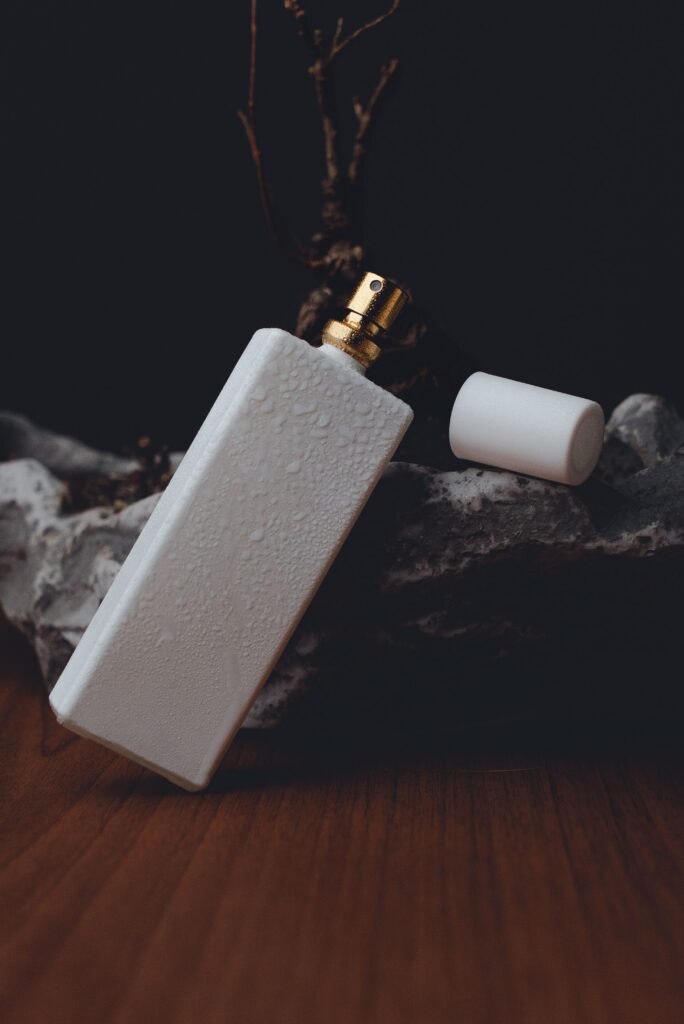
So How Do You Actually Get It Shipped?
This is where most people get stuck. You can buy the bottle, but you can’t get a courier to take it, because:
- Perfume is flammable and classified as a Dangerous Good under IATA regulations.
- Many standard couriers and postal services won’t handle it internationally without special packaging, labelling, and documentation.
- Retailers themselves often don’t offer international shipping, even if they’d happily sell to you in-store or over the phone.
That’s the exact gap a UK-based dangerous goods forwarder is built to close.
How We Handle It
Here’s how the process works from start to finish:
- Check. Please get in touch and let us know what you’re after and where it needs to go. We’ll confirm whether it can be shipped to your country.
- Obtain a quote. If it can be shipped, we’ll give you an estimated cost so you know exactly what you’re working with before committing.
- Send it to us. Order the perfume using our UK address as the delivery address, or send us something you’ve already bought. We can also arrange a collection.
- We repack it properly. Once it arrives, we repackage it to meet dangerous goods regulations — the leakproof packaging, cushioning, and hazard labelling that couriers require for flammable liquids.
- International shipping. We book the shipment and send you tracking information, so you can watch it move the whole way.
- It arrives. Depending on your country’s customs processing, you’ll typically have it in hand within 5–7 business days.
In short: you shop like a local, and we handle the part that usually kills the deal — the actual international shipping of a dangerous good.
Final Thoughts
A “UK only” label doesn’t mean a fragrance is off-limits — it usually just means nobody’s set up the shipping for it. Whether you’re after a boutique-only Floris blend, a Selfridges exclusive, or a small-batch niche scent from a London atelier, the bottle itself isn’t the hard part. Getting it out of the country safely and legally is the challenge.
You don’t need to find a workaround, ask a friend in London to post it, or risk a courier refusing the parcel halfway through transit. You just need someone on the ground in the UK who already knows how to do the job properly – the right packaging, the right paperwork, the right courier for your destination. If you’d like to read in more detail on how the proccess works, see our extensive guide on shipping dangerous goods here